Ever wonder where your hard-earned money goes when the electricity bill arrives? Pinpointing exactly what's driving up your energy costs can feel like a mystery, but it doesn't have to be. By understanding how to approach calculating appliance wattage & power needs, you unlock the secret to not just deciphering your bill, but actively shrinking it. It's not about magic; it's about making smart, informed decisions about the energy guzzlers lurking in your home.
Think of it as forensic accounting for your household power. Once you know which appliances consume how much energy and for how long, you gain incredible control. You can spot the hidden culprits, optimize usage, and even make savvy choices when buying new electronics. Ready to turn confusion into clarity and start saving? Let's dive in.
At a Glance: Your Quick Guide to Appliance Power
- Wattage (W) is how much power an appliance uses at any given moment. Higher watts usually mean more energy use.
- Kilowatt-hour (kWh) is the unit your utility company charges you for – 1,000 watts used for one hour. This is your key metric.
- To calculate: (Appliance Wattage ÷ 1,000) × Hours Used = kWh. Multiply by your electricity rate to get the cost.
- Find wattage: Look on the appliance label, in the user manual, or do a quick online search.
- Actual usage varies: Factors like age, condition, and how often an appliance cycles on/off affect real-world consumption.
- Benefits: Save money, properly size generators, plan solar systems, and make greener purchasing choices.
Why Bother with Watts? The Hidden Power of Knowing Your Energy Use
Understanding your appliances' wattage and power consumption might sound like a task for an engineer, but it's actually one of the most practical skills a homeowner can master. It's not just about numbers; it's about empowerment. Knowing your power needs offers a cascade of benefits that directly impact your wallet, your comfort, and even your preparedness.
First and foremost, it's your frontline defense against inflated electricity bills. When you can identify which appliances are consuming the most energy, you can prioritize adjustments. Maybe that old refrigerator is quietly costing you a small fortune, or perhaps you're leaving a high-wattage device plugged in unnecessarily. Knowledge here is power, literally.
Beyond saving money, calculating your appliance wattage is absolutely critical for smart preparedness and sustainability. Imagine a power outage: do you know exactly what you need to run to keep your household functional? This is where understanding your power needs becomes essential for finding the right generator size. You'll need to sum the wattage of all essential appliances you plan to use simultaneously, factoring in a crucial 20-25% extra for "startup surge" – the temporary power spike many motors and compressors demand when they first kick on. Guessing can leave you with an underpowered (or needlessly overpowered) generator.
The same principle applies to solar planning. If you're considering solar panels for your home, the first step is a precise calculation of your total daily and monthly power consumption. This ensures your solar array is adequately sized to meet your needs, preventing costly over- or under-estimations. It’s the difference between basking in self-sufficiency and facing an unexpected energy deficit.
Finally, it guides your purchasing decisions. Equipped with wattage knowledge, you can compare appliances not just on features and price, but on long-term operating costs. An Energy Star-rated appliance, for instance, typically uses 10-50% less electricity, translating into significant savings over its lifespan. It’s a holistic approach to managing your home's energy footprint.
Demystifying the Language of Power: Watts, kWh, Volts, and Amps
Before we get to the actual calculations, let's break down the fundamental terms. Think of electricity like water flowing through a pipe. Each term describes a different aspect of that flow, and understanding them is crucial to grasping your energy consumption.
Watts: The "Speed Limit" of Energy
Watts (W) measure the rate at which electrical energy is consumed or produced. It's essentially the "power" an appliance uses at any given moment. Think of it like the horsepower of a car – a higher number means more immediate power. A 100-watt light bulb uses energy at a faster rate than a 60-watt bulb.
- Formula: Watts = Volts × Amps
This formula shows how voltage (electrical pressure) and amperage (current flow) combine to create wattage. Most appliances will list their wattage directly on a label or in the manual.
Kilowatt-hours (kWh): What Your Utility Company Actually Charges You For
While watts tell you the rate of consumption, kilowatt-hours (kWh) tell you the total amount of energy consumed over time. This is the critical unit you see on your electricity bill. One kWh is equivalent to using 1,000 watts for one hour.
Imagine running ten 100-watt light bulbs for one hour. That's 1,000 watts for one hour, or 1 kWh. Your utility company then charges you a specific rate per kWh. This is the number we'll focus on for cost calculations.
- Formula: kWh = (Watts ÷ 1,000) × Hours of Operation
Volts and Amps: The Pressure and Flow of Electricity
- Voltage (V): This is the electrical "pressure" that pushes the current. In the US, standard household outlets typically deliver 120 volts, while larger appliances like electric dryers, ovens, or central air conditioners use 240 volts. It's like the water pressure in a pipe – higher voltage means more "push."
- Amperage (A): This measures the "flow" or quantity of electrical current. Think of it as the volume of water flowing through the pipe. Higher amperage indicates more electricity is flowing through a circuit. Electrical circuits in your home are rated for a maximum amperage (e.g., 15A, 20A, 30A) to prevent overloading and ensure safety.
While you don't typically pay directly for volts or amps, they are the foundational elements that determine an appliance's wattage, which then dictates your kWh consumption. Knowing these terms helps you understand why some appliances require specific outlets or wiring.
Your Personal Energy Audit: Step-by-Step to Calculate Appliance Costs
Ready to roll up your sleeves and get hands-on with your home's energy data? Performing a personal energy audit, even a simplified one, is surprisingly straightforward and incredibly illuminating. Here's how to calculate your appliance power needs and estimate costs.
Gathering Your Data: What You'll Need
Before you dive into calculations, you'll need a few key pieces of information for each appliance you want to track:
- Appliance Name: Keep a running list (e.g., refrigerator, TV, laptop, ceiling fan).
- Quantity: How many of each appliance do you have? (e.g., 2 TVs, 4 ceiling fans).
- Wattage Rating (W): This is the crucial number.
- Average Daily Runtime (Hours): How many hours per day does the appliance actually operate? Be realistic.
- Your Electricity Rate ($/kWh): This can be found on your electricity bill. It varies by utility and sometimes by time of day (Time-of-Use rates).
The Wattage Whisperer: Where to Find Appliance Ratings
Finding an appliance's wattage is often easier than you think:
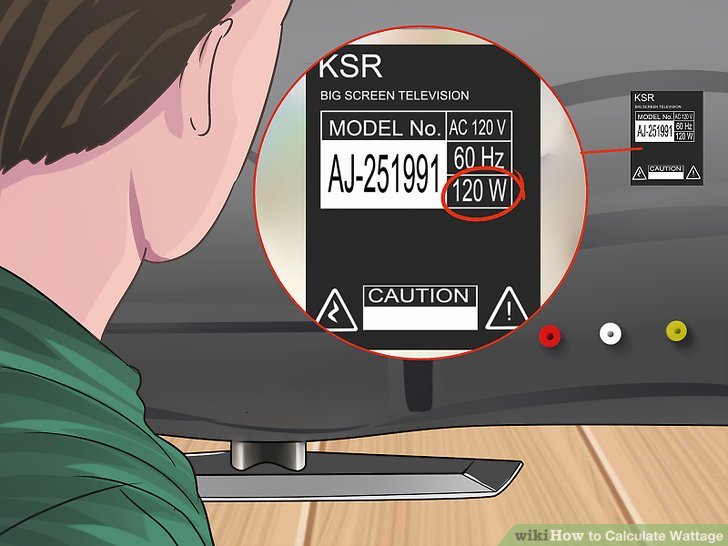
- Appliance Label: Most appliances have a small sticker or plate, usually on the back, bottom, or inside a door (like a refrigerator). Look for "W," "Watts," "Input Power," or similar. Sometimes it'll list Volts (V) and Amps (A) instead, in which case you'll use the formula: Watts = Volts × Amps.
- Product Manual: If the label is worn or hard to find, your user manual is a reliable source.
- Manufacturer's Website: A quick search for your appliance's make and model usually yields detailed specifications.
- Online Databases: Sites like Energy Star or general appliance databases can provide average wattage for common appliance types if you can't find your specific model. Be aware these are averages, and your exact model might differ slightly.
- Electricity Usage Monitor (Kill A Watt Meter): For ultimate precision, you can buy a "Kill A Watt" meter that plugs into an outlet, and then you plug your appliance into it. This device will show you real-time wattage and can track kWh over time, accounting for on/off cycles. This is particularly useful for appliances with variable consumption, like refrigerators.
Important Note on Wattage: The listed wattage is often the maximum power an appliance can draw. For items like refrigerators, air conditioners, or washing machines, they cycle on and off, or adjust their power draw based on settings. So, the "average daily runtime" needs to reflect this intermittent operation. For refrigerators, for instance, you might estimate it runs 8 hours out of 24, even though it's "on" all day.
Crunching the Numbers: A Real-World Example
Let's put the formulas into practice with an example using the daily consumption and cost calculation provided.
Suppose you have:
- 4 Ceiling Fans: Each rated at 60W, running for 8 hours per day.
- 5 LED Bulbs: Each rated at 8W, running for 6 hours per day.
- Your Electricity Cost: $0.12 per kWh.
Step 1: Calculate daily kWh for each appliance type. - Ceiling Fans:
- Total Wattage for Fans = 4 fans × 60W/fan = 240W
- Daily kWh for Fans = (240W × 8 hours) / 1000 = 1.92 kWh/day
- LED Bulbs:
- Total Wattage for Bulbs = 5 bulbs × 8W/bulb = 40W
- Daily kWh for Bulbs = (40W × 6 hours) / 1000 = 0.24 kWh/day
Step 2: Calculate total daily kWh for the household. - Total Daily Consumption = 1.92 kWh (fans) + 0.24 kWh (bulbs) = 2.16 kWh/day
Step 3: Calculate monthly consumption (assuming 30 days in a month). - Monthly Consumption = 2.16 kWh/day × 30 days = 64.8 kWh
Step 4: Calculate monthly cost. - Monthly Cost = 64.8 kWh × $0.12/kWh = $7.78
This simple breakdown reveals that even seemingly small appliances add up. By applying this method across your entire household, you'll gain a comprehensive understanding of your energy expenditure.
Beyond the Label: Factors That Skew Your Calculations (and Your Bill)
While the formulas provide a solid foundation, real-world electricity usage can be more nuanced. Several factors can cause your actual bill to differ from your manual calculations. Understanding these variances is key to truly optimizing your energy consumption.
The "On/Off" Mystery: Why Continuous Run-Time is a Myth
Many appliances, especially those with motors or heating elements, don't run continuously at their peak wattage even when "on."
- Refrigerators and Freezers: These cycle on and off throughout the day to maintain temperature. While they're plugged in 24/7, their compressor might only run for 8-10 hours in total, depending on ambient temperature, door openings, and how full they are.
- Air Conditioners and Heaters: They operate until a thermostat setting is reached, then shut off until the temperature drifts outside the desired range.
- Washing Machines & Dishwashers: These have different cycles (wash, rinse, spin, dry) with varying power draws, and heating water consumes significant energy during parts of their cycle.
This is where a "Kill A Watt" meter comes in handy, as it can accurately track the actual kWh consumed over a period, accounting for these intermittent cycles. When estimating manually, use your best judgment for active runtime, not just "plugged in" time.
The Jolt of Start-Up: Understanding Surge Wattage
For appliances with motors or compressors (refrigerators, AC units, power tools, well pumps), there's a phenomenon called "startup surge" or "inrush current." When these devices first kick on, they briefly draw significantly more power – often 2 to 3 times their running wattage – for a fraction of a second or a few seconds.
- Why it matters: While this surge doesn't typically impact your electricity bill much (it's too brief to significantly affect total kWh), it's extremely important for sizing generators or backup battery systems. A generator needs to be able to handle these momentary power spikes from all simultaneously starting appliances, or it will trip or fail.
Aging Gracefully (or Not): How Old Appliances Drink More Power
Just like us, appliances can become less efficient with age.
- Wear and Tear: Motors, seals, and insulation can degrade over time, leading to less efficient operation and higher power draw to achieve the same result.
- Outdated Technology: An older refrigerator, for example, might be significantly less insulated and use a less efficient compressor than a modern Energy Star model, even if both are nominally the same size. Older incandescent bulbs, compared to today's LEDs, are a prime example of vastly different efficiency.
- Dust and Debris: Accumulation of dust on coils (like on a refrigerator or AC unit) forces the appliance to work harder and longer, increasing energy consumption.
If you have particularly old appliances, their actual consumption might be higher than their listed wattage from decades ago.
The Price Tag Puzzle: Variable Electricity Rates
Your electricity bill isn't always a flat rate per kWh.
- Time-of-Use (TOU) Pricing: Many utilities charge different rates for electricity depending on the time of day. "Peak" hours (often late afternoon/early evening) are more expensive than "off-peak" hours (nighttime, weekends). If you run your dishwasher or do laundry during peak hours, it will cost more than doing it during off-peak times, even for the same kWh usage.
- Tiered Rates: Some utilities have tiered pricing, where the rate per kWh increases once you consume a certain amount of electricity within a billing cycle.
- Fixed Charges & Fees: Your bill often includes fixed charges, taxes, and other fees that aren't tied directly to your kWh consumption but contribute to the total.
Always check the details on your electricity bill to understand your specific rate structure.
Common Energy Hogs: Appliances That Secretly Rack Up Your Bill
While every watt contributes to your overall consumption, some appliances are undeniably bigger players in your energy budget. Knowing these common energy hogs can help you prioritize where to focus your efforts for maximum savings.
The Usual Suspects: Heating and Cooling
It's no secret that keeping your home warm or cool requires substantial energy. These often top the list of high-wattage appliances because they interact directly with the environment to change temperatures.
- Central Air Conditioner (3,000-5,000W+): A central AC unit is typically one of the largest energy consumers in a home, especially during hot summer months. Its consumption depends heavily on outside temperature, insulation, and thermostat settings. Running it 8 hours a day could easily consume 24-40 kWh.
- Electric Water Heater (3,000-5,000W): Heating water is another major energy drain. While it doesn't run constantly, it cycles on whenever the water temperature drops. A 4000W heater might run for just an hour or two cumulatively per day, but that's still 4-8 kWh. Consider optimizing your water heater settings or using an on-demand system.
- Electric Dryer (3,000-5,000W): Drying clothes with heat is an energy-intensive process. A single load can consume several kWh.
- Electric Oven/Range (2,000-5,000W+): Electric ovens and stove-tops use a lot of power when heating up and maintaining temperature. Baking for an hour can easily use 2-3 kWh.
- Space Heater (1,000-1,500W): While great for spot heating, leaving a space heater on for several hours can quickly add up, consuming 8-12 kWh in an 8-hour period. Using proper insulation throughout your home is far more efficient.
Kitchen Powerhouses: From Ovens to Microwaves
Beyond the main electric oven, many kitchen gadgets contribute significantly to your daily power draw, especially if used frequently.
- Dishwasher (1,200-2,400W): Like the washing machine, heating water is the primary energy cost here. Energy Star models can make a significant difference.
- Microwave (600-1,500W): While used for shorter durations, its high wattage means it's a quick power draw.
- Refrigerator (100-400W): Though its running wattage is lower, it runs 24/7. An older, inefficient fridge can easily be one of your top energy consumers over a month.
- Coffee Maker (800-1,200W): Especially models with a warming plate left on for hours.
Everyday Essentials: Laundry, Lights, and More
Even seemingly innocuous items can add up, particularly with prolonged use.
- Washing Machine (500-2,000W): While some energy goes to spinning, the biggest draw is typically for heating water, especially with hot cycles. Using cold water washes significantly reduces consumption.
- Desktop Computer (60-300W, monitor adds 20-100W): Gamers and professionals with powerful machines and multiple monitors will see higher usage. Laptops are much more efficient.
- Television (LED: 30-100W; Plasma/Older LCD: 150-400W): Modern LED TVs are quite efficient, but if you have a large, older TV that's on for many hours a day, it adds up.
- Ceiling Fan (60-80W): Low wattage, but if run 24/7 in multiple rooms, their cumulative effect is notable. In our example, 4 fans for 8 hours cost almost $2 a month alone.
- Lighting (LED: 5-15W; Incandescent: 40-100W): The move to LED has revolutionized lighting energy consumption. Old incandescent bulbs are truly power hogs by comparison. Smart home lighting solutions can further optimize this.
- Phantom Loads (Vampire Power): Many electronics consume a small amount of power even when turned off but still plugged in (e.g., phone chargers, TVs, game consoles, printers). Individually small, collectively they can account for 5-10% of your electricity bill.
By identifying these common culprits in your home, you're better equipped to decide where to focus your energy-saving efforts.
Smart Strategies to Slash Your Electricity Bill
Once you know how to calculate appliance wattage and identify your biggest energy users, the next logical step is to implement strategies to reduce consumption. These aren't just theoretical tips; they're actionable steps that can translate directly into lower monthly bills.
The Power Strip Purge: Battling Phantom Load
Phantom load, also known as "vampire power," refers to the electricity consumed by electronics even when they are "off" but still plugged in. Think about your TV, cable box, game console, phone chargers, and computer peripherals. They’re constantly drawing a trickle of power, waiting for you to press a button.
- Action: Use power strips with on/off switches. Plug multiple related devices into one strip, and simply flip the switch off when you're not using them (e.g., all your entertainment center components). For devices that need to be "always on" (like your Wi-Fi router), consider smart plugs that allow you to set schedules or remotely power them off.
Upgrade Wisely: The Energy Star Advantage
When an appliance truly reaches the end of its life, or if you've identified an ancient energy hog in your home, consider upgrading to an Energy Star-certified model.
- Action: Energy Star appliances are designed to be significantly more energy-efficient than standard models, often using 10-50% less electricity. The initial investment might be higher, but the long-term savings on your utility bills can quickly offset the cost. Look for the blue Energy Star label on refrigerators, washing machines, dishwashers, and even windows.
Behavioral Shifts: Small Changes, Big Savings
Sometimes, the most effective "strategy" doesn't cost a dime – it just requires a change in habits.
- Laundry: Wash clothes in cold water whenever possible. The vast majority of energy used by a washing machine goes to heating water. Line drying clothes when weather permits completely eliminates dryer energy consumption.
- Dishwasher: Only run full loads. Use the air-dry setting instead of heated dry, or simply crack the door open to let dishes air dry.
- Lighting: Turn off lights when leaving a room. Maximize natural daylight by opening blinds and curtains. Upgrade old incandescent bulbs to LEDs, which use up to 90% less energy and last much longer.
- Thermostat Management: Adjust your thermostat. In summer, raise the temperature a few degrees (e.g., from 72°F to 75°F); in winter, lower it (e.g., from 70°F to 68°F). Consider a programmable or smart thermostat to automatically adjust temperatures when you're away or asleep.
- Cooking: Use the microwave or toaster oven for smaller meals instead of the large electric oven. These are often more energy-efficient for small-scale cooking because they heat food directly and take less time to preheat.
Monitoring Your Mains: The Smart Meter & Plug Approach
For deeper insights and continuous optimization, leverage technology.
- Smart Meters: Many utility companies are installing smart meters that provide real-time or near real-time data on your electricity consumption. Accessing this data (often via an online portal or app) allows you to see exactly when and how much energy you're using, helping you correlate usage spikes with specific activities.
- Smart Plugs: These affordable devices allow you to control and monitor the energy consumption of individual appliances through an app. You can turn things on/off remotely, set schedules, and get detailed reports on power usage, identifying which devices are truly contributing to your bill. This is a practical way to manage your home's energy consumption.
Implementing even a few of these strategies can make a noticeable difference in your monthly electricity bill, proving that a little knowledge and effort can lead to significant savings.
When to Call in the Pros: Advanced Energy Insights
While self-auditing and smart habits go a long way, sometimes the biggest energy drains aren't easily solved by unplugging a charger or flipping a switch. If you've done your due diligence and your energy bills still seem inexplicably high, or if you're planning major home improvements, it might be time for a professional energy assessment.
A certified energy auditor can perform a comprehensive evaluation of your home, using specialized tools like blower doors (to detect air leaks) and infrared cameras (to pinpoint insulation gaps). They can identify structural issues, inefficient HVAC systems, ductwork leaks, and other significant areas of energy loss that might be beyond the scope of a DIY assessment.
Their report will offer tailored recommendations, ranging from upgrading insulation and sealing air leaks to replacing old windows or improving ventilation. These larger-scale improvements can yield substantial, long-term energy savings and increase your home's comfort and value. They also provide detailed payback periods for suggested improvements, helping you prioritize investments.
For complex issues or major renovations, an expert's eye can reveal insights that would otherwise remain hidden, ensuring you're making the most impactful decisions for your home's energy future.
Your Next Steps to a Lighter Energy Footprint
You've now got the tools and the knowledge to demystify your electricity bill. No longer just a number, it's a story of your home's energy habits, and you're the author.
Start small. Pick a few high-wattage appliances and track their usage. Calculate their daily and monthly costs. Then, challenge yourself to reduce those numbers. Whether it's unplugging a TV, running the dishwasher at night, or simply turning off a light, every watt-hour saved is money back in your pocket.
Embrace the detective work. Look at your electricity bill not as a daunting expense, but as a roadmap to savings. The journey of calculating appliance wattage & power needs is more than just about numbers; it's about gaining control, making smarter choices, and ultimately, building a more efficient and cost-effective home.
Your energy footprint is yours to manage. Start today, and watch your savings grow.