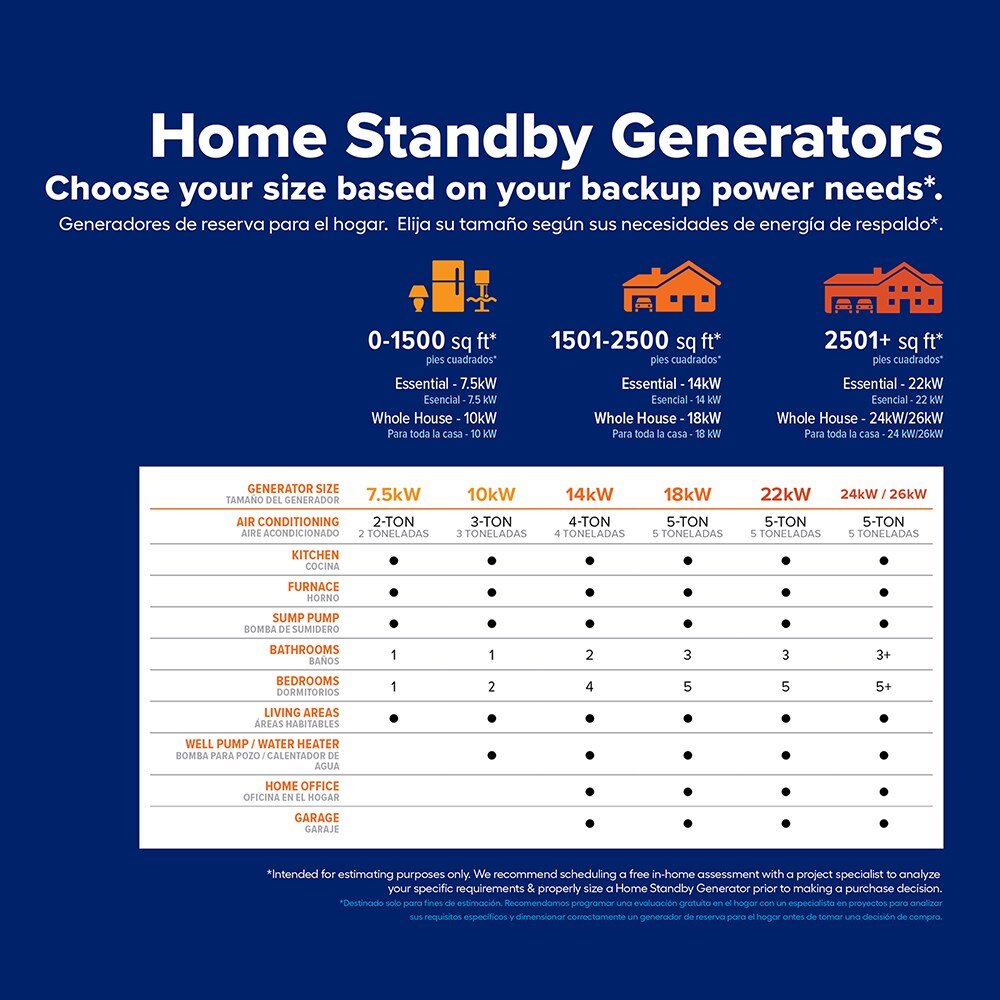
Navigating the world of off-grid power can feel like cracking a complex code. You're dreaming of quiet nights under the stars, the hum of your RV's fridge keeping snacks cold, or a secure setup at a remote job site, but one big question looms: How do you figure out the right Generator Sizing for RVs, Camping & Remote Sites? Get it wrong, and you're either lugging around an overpowered beast you don't need or staring at flickering lights and a silent air conditioner when you need it most. This guide cuts through the confusion, helping you match the perfect power source to your specific adventures and needs.
At a Glance: Your Generator Sizing Cheat Sheet
- Don't Guess Your Watts: List every appliance you might run simultaneously. Add up their running watts and identify the highest starting watt requirement.
- RV Type Matters: A 30-amp RV typically needs 3,000–3,500W; a 50-amp RV demands 6,000–8,000W.
- A/C is the King: A 13,500 BTU A/C requires ~3,500W; a 15,000 BTU unit needs ~4,000W, factoring in its initial surge.
- Noise & Neighbors: Inverter generators are quieter, crucial for campgrounds.
- Fuel & Weight: Consider fuel type availability, efficiency, and how much you can comfortably carry or store.
- Match Lifestyle to Size: From basic battery charging (1,000-2,000W) to powering multiple A/C units (5,000W+), there's a range for every need.
The Power Puzzle: Why "More Watts" Isn't Always the Answer
When it comes to generators, the tendency is often to think bigger is better. While having ample power is great, overshooting your needs can lead to wasted fuel, unnecessary weight, louder operation, and a larger dent in your wallet. The real goal is finding the right size – enough to comfortably run your essentials, with a little buffer for convenience, without going overboard.
Think of it like packing for a trip: you don't bring a full winter coat for a summer beach vacation, and you wouldn't head to the Arctic in shorts. Your generator should be just as perfectly suited to its purpose.
Decoding Your Demand: The Essential Appliance Audit
Before you even glance at generator models, you need to understand what you're trying to power. This isn't just about what you might use; it's about what you'll run simultaneously. Many RVers underestimate their peak power draw, leading to frustrating circuit trips or underperforming appliances.
Your Appliance Power Profile
Start by making a comprehensive list of every electrical device you envision running. Then categorize them:
- Essential (Must-Have Power): Refrigerator, water pump, furnace fan, battery charger, lights.
- Semi-Important (Nice-to-Have, Often Used): Microwave, coffee maker, hair dryer, television, laptop, charging phones.
- Least Crucial (Occasional Use/Can Wait): Electric grill, toaster oven, clothes washer.
For each item, you'll need two figures:
- Running Watts: The continuous power an appliance draws once it's already on.
- Starting (Surge) Watts: The brief, higher burst of power many motor-driven appliances (like air conditioners, microwaves, and refrigerators) need to kick on. This surge can be 2-3 times their running wattage.
Example Appliance Wattage:
| Appliance | Running Watts (Approx.) | Starting Watts (Approx.) |
| :---------------------- | :---------------------- | :----------------------- |
| RV Refrigerator | 100-400 | 600-1200 |
| Microwave (Small) | 600-1,000 | 900-1,500 |
| Air Conditioner (13,500 BTU) | 1,500-1,800 | 3,000-3,500 |
| Air Conditioner (15,000 BTU) | 1,800-2,200 | 3,500-4,000 |
| Coffee Maker | 800-1,500 | - |
| Hair Dryer | 1,000-1,800 | - |
| Water Pump | 100-200 | 200-400 |
| RV Lights (LED/DC) | 10-100 | - |
| Battery Charger | 500-1,000 | - |
To get your total wattage requirement, add up the running watts of all appliances you anticipate using simultaneously. Then, identify the single appliance with the highest starting watt requirement and add that to your running total. This sum gives you the minimum generator size you'll need.
Don't want to do the math by hand? There's an easier way to get a precise estimate: Calculate your generator size using an online tool designed for this purpose.
Understanding Your RV's Electrical Amperage: 30-Amp vs. 50-Amp
Your RV's shore power connection dictates its maximum electrical capacity, which directly influences the generator size you'll need. This is a critical factor often overlooked.
- 30-Amp RVs: Most smaller to mid-sized travel trailers and fifth wheels use a 30-amp, 120-volt service. This means they can handle a maximum of 3,600 watts (30 amps x 120 volts). If your RV is 30-amp, you generally won't need a generator larger than 3,500-4,000 watts. Any more power would simply be unusable, as the RV's main breaker would trip before that power could be drawn. A generator in the 3,000–3,500 watt range is ideal for these rigs, providing enough headroom for start-up surges.
- 50-Amp RVs: Larger motorhomes, toy haulers, and many modern fifth wheels come equipped with 50-amp, 120/240-volt service. This is essentially two separate 50-amp lines, allowing for a total of 12,000 watts (50 amps x 2 x 120 volts). These rigs are designed to run multiple high-draw appliances, like two air conditioners, simultaneously. For a 50-amp RV, you'll typically need a generator in the 6,000–8,000 watt range to fully utilize its power potential, especially if you plan to run both A/C units.
The Mighty Air Conditioner: Your RV's Biggest Power Hog
For many RVers, especially those in warmer climates, the air conditioner is the primary reason for owning a generator. It's also usually the single biggest draw and the most common cause of an undersized generator.
- 13,500 BTU A/C: A standard 13,500 BTU RV air conditioner typically has a running wattage of 1,500-1,800 watts. However, its starting surge can easily jump to 3,000-3,500 watts for a brief moment. This means you'll need a generator capable of at least 3,500 watts to reliably start and run this unit.
- 15,000 BTU A/C: A larger 15,000 BTU A/C unit will have a running wattage of around 1,800-2,200 watts, with a starting surge often reaching 3,500-4,000 watts or more. For this, you'll need a generator that can deliver at least 4,000 watts.
Pro Tip: If you primarily need to run your A/C, consider a soft start capacitor for your unit. This device significantly reduces the A/C's starting surge, potentially allowing you to run it with a smaller generator than otherwise possible.
Generator Types: Onboard vs. Portable
The kind of generator you choose will also factor into its sizing and how it integrates with your RV lifestyle.
Built-in/Onboard Generators
These units are permanently installed within your RV, common in motorhomes and larger fifth-wheels.
- Pros: Seamless integration, powers multiple devices simultaneously, typically uses the RV's main fuel tank (gasoline, diesel, or propane), push-button start from inside.
- Cons: Heavier, more expensive to install, maintenance can be more complex, limited in where you can use them (fixed to the RV).
- Size Range: Generally 3,000 to 12,000 watts, designed for heavy-duty, whole-RV power.
Portable Generators
Separate units that you can move and position as needed. These are the go-to for RVs without built-in options, tent camping, or remote worksites.
- Pros: Versatile, can be shared between different sites/vehicles, easier to maintain or repair, can be quieter with inverter technology.
- Cons: Requires manual setup and fueling, needs separate storage, can be heavy to move, potential theft risk if left unsecured.
- Size Range: From small 150-watt units for charging phones to over 8,000 watts for substantial power needs.
- Inverter Generators: A popular subset of portables, known for producing clean, stable power (safe for sensitive electronics), quiet operation, and better fuel efficiency due to variable engine speed. They are typically gasoline-powered.
Matching Power to Lifestyle: Typical Wattage Sweet Spots
Let's look at common scenarios and the generator sizes that usually fit best.
- 1,000–2,000 Watts: The Minimalist & Charger
- Use Case: Ideal for basic battery charging, running LED lights, charging phones and laptops, or powering a small fan. Perfect for tent campers, van lifers, or small trailers that prioritize quiet and only need occasional boosts.
- Example: Running lights, charging devices, and perhaps a small blender.
- 2,000–3,000 Watts: The Balanced Boondocker
- Use Case: A sweet spot for many small to mid-sized RVs and trailers. Can typically handle a single modest A/C unit (with a soft start), a microwave for short bursts, and essential lights/charging. These inverter generators offer a good balance of quiet operation, fuel efficiency, and capability.
- Example: Running a 10,000 BTU A/C, lights, and charging a laptop.
- 3,000–4,500 Watts: The Comfort Cruiser
- Use Case: This range covers many travel trailers and fifth wheels that want to run one full-sized (13,500 or 15,000 BTU) A/C unit, along with other common loads like a microwave, TV, and water heater (on electric). If you're frequently in hotter climates or enjoy more amenities, this is a strong contender.
- Example: Running a 13,500 BTU A/C, refrigerator, microwave (not simultaneously with A/C start), and lights.
- 5,000 Watts and Up: The Heavy Hitter & Dual A/C Rig
- Use Case: Essential for larger rigs (especially 50-amp RVs) requiring multiple A/C units, or those with heavier electrical loads like residential refrigerators, electric water heaters, and entertainment systems. Also suitable for remote worksites needing to power heavy-duty tools.
- Example: Running two A/C units, a residential fridge, and multiple electronics.
Many campers find a 2,000–3,000W inverter generator strikes an excellent balance of quiet operation, fuel use, and capability. However, larger rigs in hotter climates or those with more power-hungry appliances often require 3,500–4,500W or more to maintain comfort.
Beyond Watts: Crucial Considerations for Generator Selection
While wattage is paramount, several other factors significantly impact your real-world generator experience.
Noise Levels: Keeping the Peace
Generator noise can be the difference between a relaxing camping trip and an annoying distraction for you and your neighbors.
- Inverter Generators: Generally the quietest option, often operating in the 50-60 dB range (similar to a normal conversation). Their variable engine speed allows them to run only as fast as needed to meet the load, saving fuel and reducing noise. Best for campgrounds with noise restrictions.
- Open-Frame/Conventional Generators: Tend to be louder, usually 65-80+ dB. They run at a constant high RPM, regardless of load. Not ideal for noise-sensitive environments.
Always check campground rules regarding generator hours and decibel limits.
Fuel Type & Efficiency: Running Your Ride
Your choice of fuel impacts cost, availability, efficiency, and environmental footprint.
- Gasoline:
- Pros: Lowest initial cost, widely available at almost any gas station.
- Cons: Less efficient than diesel, shorter run times per gallon, fuel can degrade over time (especially with ethanol), producing more emissions.
- Diesel:
- Pros: More fuel-efficient, more powerful, longer run times, typically more durable and reliable for heavy-duty use. Often the choice for larger, built-in RV generators.
- Cons: Generally more expensive to purchase, potentially noisier (though modern diesels are quieter), diesel fuel can gel in extreme cold.
- Propane (LPG):
- Pros: Environmentally friendly (cleaner burning), longer shelf life than gasoline, no carburetor issues, readily available via exchange tanks.
- Cons: Typically offers less power output than gasoline or diesel equivalents (you might need a larger propane generator to get the same effective wattage), fuel can be challenging to refill in some remote areas.
Dual-Fuel Generators: Some portable generators offer the flexibility to run on both gasoline and propane, giving you options depending on availability and your power needs.
Weight & Portability: Can You Haul It?
A generator is only useful if you can transport it.
- Portable Generators: Can weigh anywhere from 50 pounds (for small inverter units) to over 200 pounds (for larger conventional models). Consider your strength, the storage space in your RV, and your RV's cargo carrying capacity (CCC).
- Built-in Generators: Add significant permanent weight to your RV. Ensure your RV's Gross Vehicle Weight Rating (GVWR) can safely accommodate it.
Heavy generators often come with wheels and handles for easier maneuvering.
Why a Generator is Your Off-Grid MVP
Having the right-sized generator opens up a world of possibilities for independent travel and living.
- Boondocking & Dry Camping: Essential for camping far from electrical hookups. It provides the freedom to use your appliances, recharge batteries, and power gadgets without relying on shore power.
- Backup Power: Offers peace of mind during unexpected power outages, whether you're at an RV park, a remote campsite, or even at home in an emergency. Keep lights on, food cold, and essential medical devices running.
- On-the-Go Power: Useful for running your RV's AC while driving through hot climates, during rest stops, or whenever shore power is unavailable. It also provides power for tailgating, outdoor events, or remote worksites.
Common Pitfalls to Avoid When Sizing Your Generator
Even with the best intentions, it's easy to make a mistake when selecting a generator.
- Underestimating Starting Watts: This is the most frequent culprit for generator disappointment. Your microwave might run at 1,000 watts, but need 1,500 watts just to get going. If your generator barely meets the running watts, it will trip or stall on start-up.
- Ignoring Campground Noise Rules: Arriving at a quiet campground with a loud open-frame generator can quickly make you unpopular, and potentially lead to fines or being asked to leave. Always check rules beforehand.
- Overlooking Fuel Logistics: How will you transport and store extra fuel? Is your chosen fuel type readily available where you plan to travel? Propane might be clean, but refilling a small tank in the middle of nowhere could be a challenge.
- Not Factoring in Altitude: Generators lose power output as altitude increases (roughly 3.5% for every 1,000 feet above sea level). If you often camp in the mountains, you'll need a larger generator than you would at sea level.
- Failing to Maintain: A generator is an engine. Regular oil changes, spark plug checks, and fuel stabilization are crucial for reliable operation. An improperly maintained generator can lose efficiency and power.
Making Your Final Decision: A Quick Checklist
Before you make that purchase, run through these questions one last time:
- What's my peak simultaneous wattage demand (running watts + highest starting watt)?
- What is my RV's electrical service (30-amp or 50-amp)?
- Will I primarily be running an A/C? Which BTU size?
- How important is quiet operation for my typical camping spots?
- What's my preferred fuel type, considering availability, cost, and efficiency?
- Can I physically manage the generator's weight and transport it safely?
- Do I need a built-in unit for convenience or a portable for versatility?
- What's my budget for initial purchase and ongoing fuel/maintenance?
Power Up Your Adventures
Choosing the right generator isn't about guesswork; it's about informed decision-making based on your specific needs, your RV's capabilities, and your preferred way to camp or work remotely. By taking the time to assess your power demands and consider the various factors discussed, you'll select a generator that performs flawlessly, provides the comfort you desire, and enhances your freedom on the road or at the most secluded sites. Here's to powering your next great adventure!